


Source: AFP
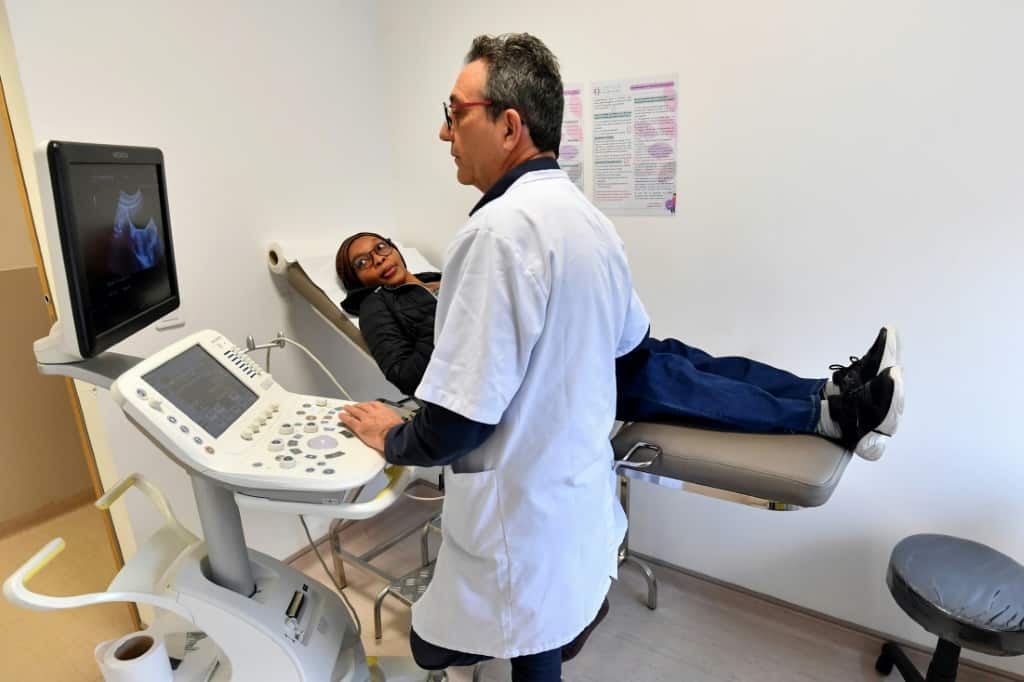
At a fertility clinic in Tunis, Bintou Younusa hopes doctors will eventually help her conceive. He is one of more than 2 million foreigners who travel to Tunisia each year for medical treatment.
While Tunisians face economic hardship and the government struggles with debt, medical tourism is thriving and authorities are looking to further expand the lucrative sector.
Younusa, from Niger, said after three years of unsuccessful treatment, a relative recommended a private clinic in Tunisia's capital.
“My sister-in-law gave birth to twins through an insemination that took place in Tunisia,” the 25-year-old told AFP. “That's why I decided to come here.”
She was accompanied by her sister Khadija, 32, who had her eggs frozen five months ago at the same clinic that specializes in assisted reproductive technology.
Nadia Fenina, an official at the Ministry of Health, said Tunisia has become a major medical tourism destination thanks to its highly specialized private clinics and skilled staff.

Please also read
Niger's newspapers feel the power of post-coup sanctions
be careful: Share your amazing story with our editors! Contact us at news@tuko.co.ke or WhatsApp: 0732482690.
“Tunisia is number one in Africa in terms of healthcare demand and supply,” Fenina told AFP.
Medical tourism is recovering from a coronavirus-era halt, with the sector generating about 3.5 billion dinars ($1.1 billion) in revenue annually, about half of Tunisia's overall tourism receipts last year.
“Medical tourism is tied to the general tourism sector because foreign patients are also tourists who usually do not come alone,” Fenina said.
“The promotion of medical tourism depends on the development of the tourism sector as a whole,” she added.
Tourism, which accounts for 9% of Tunisia's gross domestic product, is crucial for the slowing and debt-ridden country, with World Bank estimates showing a modest growth rate of 1.2% in 2023.
The small Mediterranean country of 12 million people welcomed nearly 9 million tourists last year, according to official figures.

Please also read
New post-Brexit customs checks raise concerns about UK borders
That includes more than 500,000 foreign patients hospitalized in Tunisia and about 2 million others treated on the same day, officials said.
chance to relax
Fethi Jiwa said the clinic in Tunis where Younusa was treated welcomed 450 IVF patients last year, many of them in the Sahara, where some treatments are unavailable or difficult to access. The patients were from southern African countries.
The doctor said other patients came from other parts of North Africa and Western countries such as the UK, Switzerland and Canada, with the main attractions being affordable prices and Tunisia's “world-renowned fertility specialists.” listed.
Many medical tourists from Europe come for cosmetic surgery, which accounts for 15% of all foreign treatments in Tunisia, Fenina said.
Mohammed, a 59-year-old Libyan who only gave his first name, travels to Tunisia twice a year to see a cardiologist for routine post-surgery check-ups.
“This doctor saved my life, and I would never change him,” he said.

Please also read
Italy, saddled with huge debts, puts its crown jewels up for sale
Mohamed said the couple was traveling with his wife and had also planned to use the trip to “spend a few days relaxing in Tabarka, a town on Tunisia's northwest coast.”
Fenina said Tunisia's tourism industry has “huge potential” and can grow “if we can overcome some obstacles and limitations.”
Direct flights to more destinations in Africa and simplified visa procedures could help, she said, adding: “That's why we are working on introducing medical visas.”
The Ministry of Health is also working to improve coordination between medical tourism organizations, health care providers and other stakeholders, and to work with the private sector to establish facilities for older European clients.
Younusa says she feels welcome in Tunisia, despite an alarming rise in anti-immigrant sentiment in the country over the past year, marked by violence and violent rhetoric from the country's president, who sees “hordes” of Africans as a threat. Ta.
“I feel at home here,” she said.
Source: AFP
