

company
Sashini cuts 267 jobs as farms mechanize
Wednesday, January 31, 2024

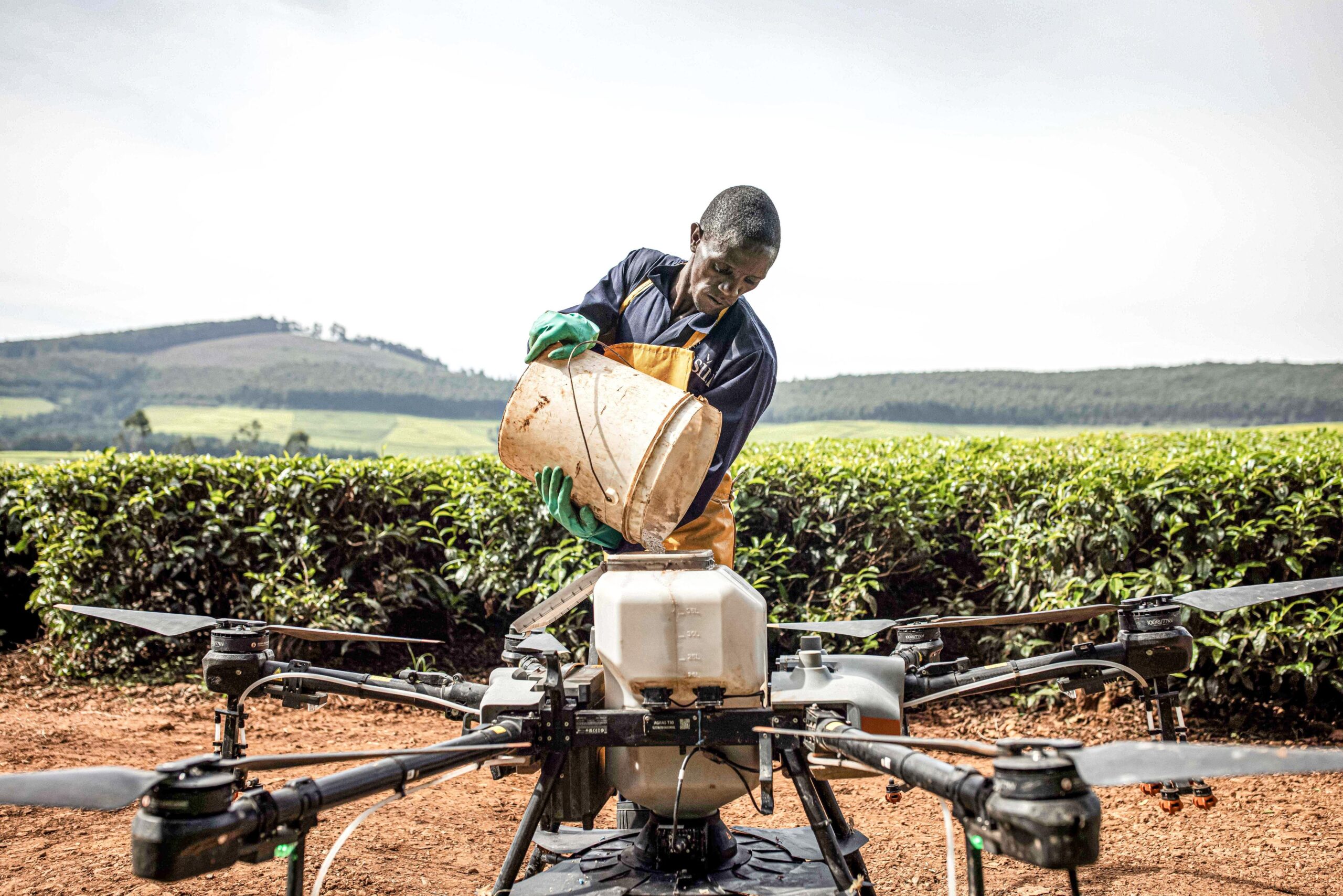
A Sasini employee puts fertilizer inside an unmanned aerial vehicle at the Kipukebe tea plantation in Museleita on October 21, 2022. Photo | AFP
Agriculture company Sacini cut 267 jobs last year, citing improved efficiency and lower costs as a result of increasing farm mechanization.
The number of employees at the company decreased to 2,300 in the 12 months to September 2023 from 2,567 in the same period last year.
Mr Sassini's non-management staff, mainly employed on farms, decreased from 2,401 to 2,130. Meanwhile, the number of managers increased by four to 170.
In its latest annual report, the company said: “Continued digitization in our operations and technology interventions through investment in mechanized tea harvesting will reduce waste, increase efficiency and lower production costs. “We were able to do that,” he said.
“In our tea business, we have successfully mechanized harvesting and fertilizer application using drones, which has significantly increased efficiency, reduced production costs and improved the quality of tea produced for the market. .This initiative also extends to the automation of our tea factory.” ”
read: Sassini cuts 1,364 jobs as it cuts costs during coronavirus pandemic
The company plans to drive growth in automation to support production capacity through factory modernization of various lines.
Sasini's staff costs decreased to Sh359.9 million from Sh381.9 million a year earlier during the review period, indicating a benefit from headcount reduction.
Recent job cuts have accelerated Sasini's efforts to cut labor costs in recent years. The number of employees has fallen from a high of 3,884 in the year ended September 2019, with most of the job cuts seen in tea estates.
Other agricultural companies are also at various stages of mechanizing their operations to cut costs and improve efficiency.
Sassini's net profit for the fiscal year ending September 2023 was more than halved to Sh542.5 million from Sh1.1 billion in the same period last year due to lower sales and increased costs such as debt service costs.
Sales declined from Sh7.3 billion to Sh5.7 billion, which the company attributed to disruption to the coffee trade due to the government's milling and marketing license reforms.
“Our business environment is highly regulated and any violations may expose us to regulatory risk and reputational damage,” Sassini said.
“During the year, government-led coffee reforms increased within the coffee subsector, resulting in a significant impact on our revenue channels. The management team had a common understanding of the need for inclusive economic development; We continued to build constructive and positive relationships with regulators and governments.”
read: Sashini cuts jobs due to mechanization of tea gardens
Coffee cultivation company Eagaz also saw its sales fall by more than 99% in the six months to September 2023, to Sh1.1 million from Sh158.9 million recorded last year.
Eagaz blamed the reforms for the collapse in profits, saying the reforms had a negative impact on its ability to sell coffee directly, which was the traditional way.
→ [email protected]
