

dar es salaam. The government announced on Saturday, February 3, 2024, that the electricity exchange agreement between Tanzania and Kenya is at a level of approval that will allow both countries to benefit from the connectivity agreement created.
The government's announcement came days after the African Development Bank (AfDB) called on partner countries to accelerate the signing of three key agreements following the completion of a $309.26 million link.
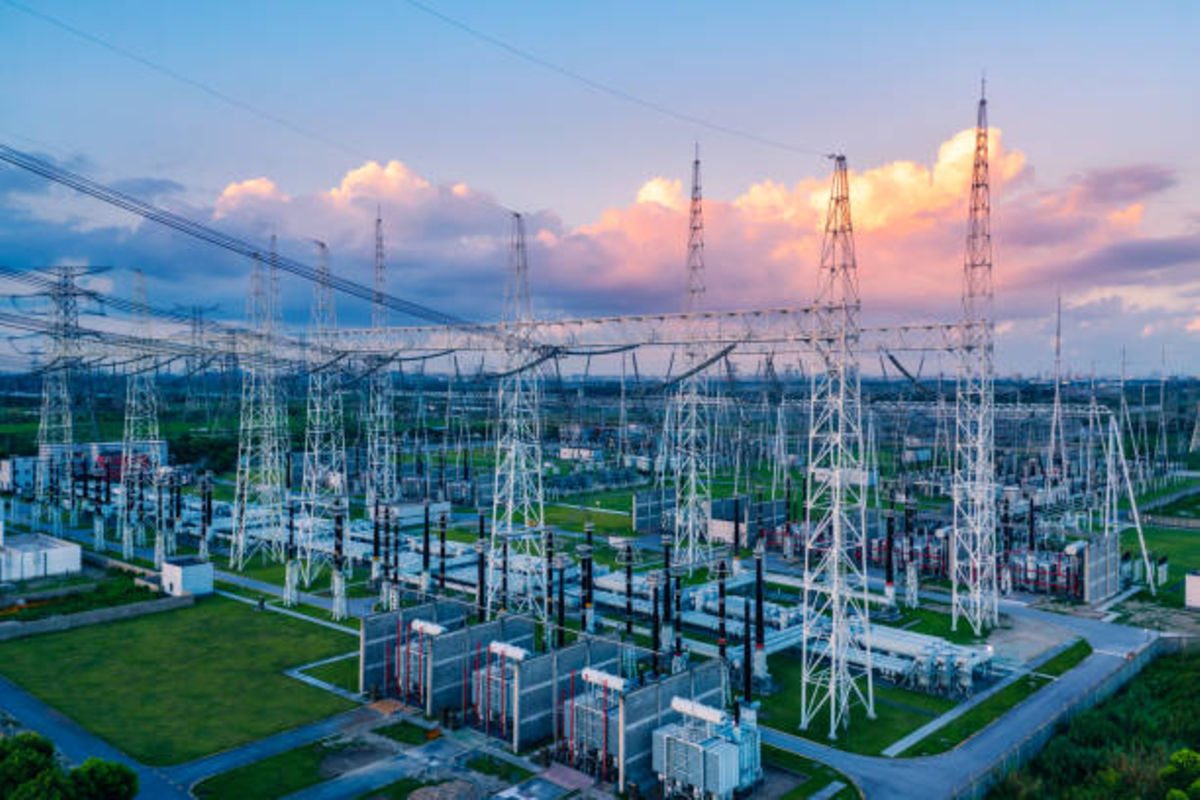
The 507.5km transmission line, which runs from Isinya substation to Arusha via Namanga, has a transmission capacity of 2,000 MW.


In its latest review, leading project financier AfDB has identified three deals as it develops regional electricity trade aimed at increasing electricity supplies in both countries and reducing dependence on dirty and expensive thermal power generation. He said that is the key.
“To pave the way for regional electricity trade, it is critical that the aforementioned agreements be concluded as soon as possible, in line with the completion and commissioning of cross-border electricity infrastructure,” the AfDB said in its review. There is.
However, Permanent Secretary of the Ministry of Energy, Ferchesmi Mlamba, told The Citizen in an interview that the above transaction would require approval from the government agency.
“They include the Department of Energy, the Energy and Water Utilities Regulatory Authority (Ewura) and the Attorney General's Office (AG),” he said, expressing hope that approvals will be given soon.
He said the agreement determines the flow of electricity from one country to another, even though the two countries currently do not have the ability to trade electricity.
Tanzania has recently been forced to ration electricity in some parts of the country due to low hydropower generation, highlighting the important role of power transmission lines to neighboring countries.
Construction began in 2015, and the transmission line will enable the cross-border exchange of cheap, clean surplus electricity from neighboring East African power pool countries.
The countries in East Africa's sphere of influence are Kenya, Tanzania, Uganda, Republic of Sudan, South Sudan, Burundi, Democratic Republic of Congo, Djibouti, Ethiopia, Egypt, Somalia, Rwanda, and Libya.
“Tanzania will only be ready for power trading after the completion of the Julius Nyerere Hydropower Project (JNHP). Similarly, Kenya will not be able to trade power as neighboring countries face power shortages.” he said.
What this power pool means for Tanzania
Commenting on the importance of the power pool for Tanzania, Mr Mlamba said surplus power would ensure access to electricity from neighboring countries.
He said the pool would allow Tanzania to trade surplus electricity to neighboring countries facing power shortages, stressing the need for interconnection lines.
“Tanzania has built connections with Kenya, Rwanda and Burundi. A 400 kilovolt connection with Uganda will be built next year, replacing the existing 132 kilovolt transmission line,” he said. .
“We are also building a 400 kilovolt transmission line between Tanzania and Zambia. Feasibility studies have been completed for the construction of connecting lines with the Democratic Republic of the Congo (DRC), Malawi and Mozambique,” he added.
He said the completion of the project would not only provide Tanzania with reliable access to electricity but also enable it to trade the surplus for foreign exchange generation.
Mr Mlamba gave an update on JNHPP's power generation status, saying the most important tests have been completed and engineers are currently conducting electrical tests.
“After undergoing automatic start and stop tests, the engineers have moved on to testing the generator, which is scheduled to be completed in the middle of this month,” he said.
“Then they will move on to testing the introduction of power into the national grid. Undoubtedly, the power from the first generator will be introduced into the national grid at the end of February, and the power from the second generator will come in the coming days. It is scheduled for the end of the month,” he added.
He further said that a significant amount of water is flowing into JNPP and Mutera dam and expressed hope that the power situation will return to normal.
“We are grateful to the people of Tanzania for their patience during these difficult times of electricity shortages. “You'll start to see the difference,” he said.
