

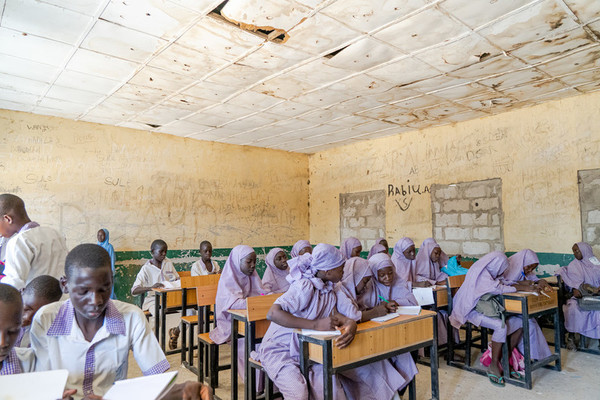
By Amnesty International, ESARO and the ESCR team
African governments, working with international partners, should aim to sustainably manage debt and promote the right to education as the continent's debt crisis intensifies.
Education is the African Union's (AU) theme for 2024, and given its importance to the AU's development plan Agenda 2063, African governments are increasing their spending in this area to meet the continent's growing educational needs. need to be increased.
A harsh combination of crises, including debt, the COVID-19 pandemic, and climate change, has forced many African governments to implement austerity measures and cut social spending, including in education. This includes eliminating subsidies that help poor children access learning. At the same time, attempts to raise revenue for debt repayments led to increased taxes on basic goods, including school supplies. These policies undermine public investment in education while increasing costs for learners.
As the world marks International Day of Education, African governments must allocate more funding to the education of children and young people on the continent.
International partners will also support African countries' efforts to protect the right to education by providing sustained debt restructuring and relief to reduce pressure on authorities to increase support for education. There is a need.
High debt and corruption undermine investment in education.
The average debt-to-GDP ratio of African countries is 60%. The United Nations Conference on Trade and Development (UNCTAD) estimates that nearly 57% of Africans live in countries where they spend more on debt repayments than on education and healthcare combined. It is estimated that Ghana, Nigeria, Zambia and Kenya spend at least a quarter of their budgets on debt servicing, leaving little money for investment in education. This is further exacerbated by corruption.
At the same time as African countries struggle with debt, they also face the major challenge of widespread corruption. Governments must ensure that their budgets are not misappropriated or mismanaged. Debt repayment strategies should therefore not only reduce budgets for education and other social services, but also reduce corruption while expanding the revenue base through progressive tax reform.
Given the collapse in education across Africa, particularly in conflict-affected areas and the disruption of education caused by COVID-19, African governments must implement the Dakar Declaration to ensure funding. It is necessary not only to meet the minimum budget standards stipulated in the Incheon Declaration, but also to exceed them. The right to education is fully protected and promoted. Currently, the African continent spends only about 5% of its GDP on education, which is below the Dakar Declaration.
African governments must prioritize education in their development plans and allocate sufficient resources in line with regional and international commitments, including the Incheon Declaration. This will involve increasing education budgets and leveraging partnerships through international cooperation and aid to ensure that education in the region not only responds to Africa's development needs, but also aligns with international human rights law and standards. There is a need.
The Dakar Declaration on Education requires African governments to allocate at least 9% of their GDP to education. The Incheon Declaration calls for spending at a minimum of 4-6% of GDP.
Although African governments have used AU and United Nations (UN) frameworks in their efforts to ensure quality education, there has been a lack of adequate investment by governments, with a significant portion of education budgets instead being taken from donors. dependent on support.
Today is International Education Day. The theme of this year's day is “Learning for Lasting Peace'' in 2024, with the international community, especially African governments, demonstrating that national development priorities should focus on quality education for children. This is an opportunity to recommit. all children.
In 2023, Amnesty International begins publishing a blog series on the impact of debt on health service delivery in eastern and southern Africa. In 2024, Amnesty International will also highlight the negative impact of debt on the region's right to education.
