


The U.S. federal government allocated $7.5 billion for a national electric vehicle (EV) charging network in 2021, but more progress is needed to make this effort successful. More than two years later, only New York and Ohio have built new stations under the program.
In December 2023, the state of Ohio opened a charging station in the state capital, Columbus, using federal funds. The EVgo machine can charge his four vehicles in about 40 minutes, depending on battery levels. Kingston, New York, became the first city in the state to receive federal funding for fast chargers.
Construction delays are hampering progress in reducing the country's dependence on fossil fuels and making its power grid more efficient. President Biden's goal is to install 500,000 chargers nationwide by 2030, but delays in the rollout could mean the U.S. will miss that goal. According to the Department of Energy (DoE), there are over 162,000 EV chargers and 61,000 stations in the United States.
The president signed the Infrastructure Act in November 2021, and the Department of Transportation distributed approximately $2 billion in funding to various cities and states for charging projects. However, each state has shown varying levels of progress in charger construction.
For example, the Tennessee Department of Transportation did not review bids until November 2023 because of the complexity of the process. Now, in early 2024, the Volunteer State is opening bids for a variety of projects, including a $21 million effort to install 30 EV charging stations along interstates and U.S. highways.
Given the long-term nature of the grant criteria, federal guidelines are one reason for implementation delays. The Federal Highway Administration (FHWA) and DOT have published minimum infrastructure requirements to standardize payment methods, charger speeds, and charger features.
One of the federal requirements is that chargers must be operational at least 97% of the time to meet federal funding, given the high demand for EV charging in some regions. Tesla owners in California have seen how crowded Superchargers have become due to congestion and long wait times.
Further slowdowns come as states decide how to regulate chargers from different automakers. For example, Texas requires EVs to use the same charging plugs, even though Tesla has long had an advantage with powerful chargers.
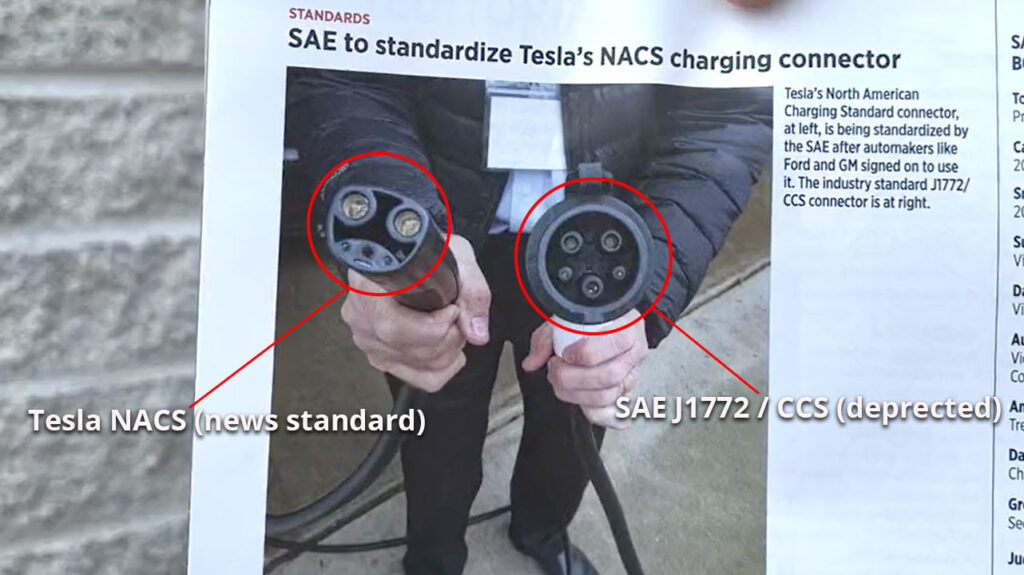

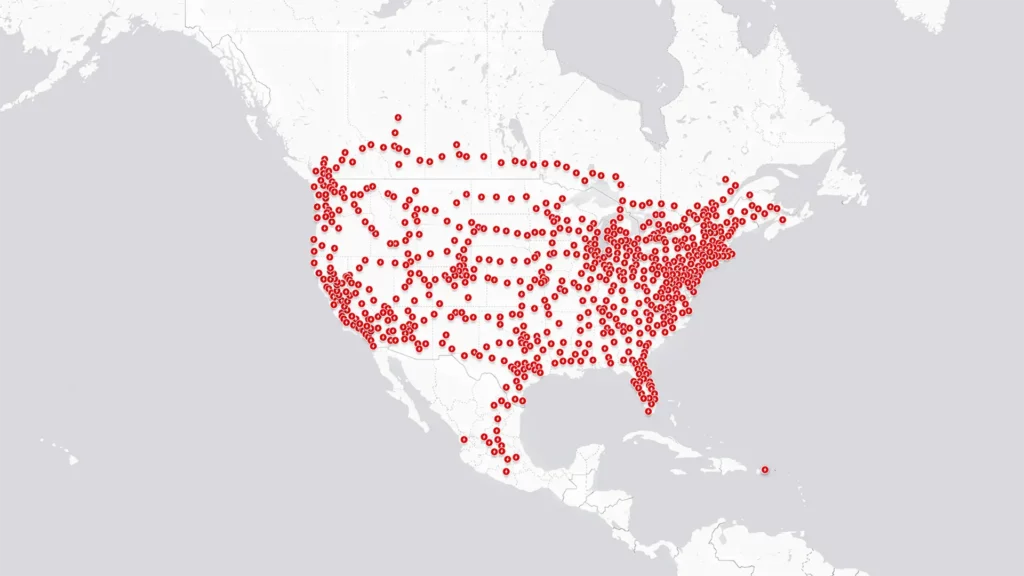
Last year, on the 11th anniversary of the first Supercharger, Tesla built its 50,000th charger in Roseville, California. More states could follow Texas' lead in requiring new stations to have uniform chargers that fit EVs from all automakers.
Standardization of chargers will become important as demand for EVs expands outside of large cities and into non-urban areas. Experts say that by 2030, 32% of new cars will be electric vehicles, so building resilient infrastructure will help cope with increased demand.
While 500,000 chargers is an ambitious goal, some experts say many more are needed. The National Renewable Energy Laboratory (NREL) says the United States needs to build more than 1 million chargers to fully meet demand. Otherwise, the shortage may discourage EV owners in the future and make them hesitant to purchase electric machines.
Tennessee and Texas are seeking bids for charging stations, while other states are still moving toward this step.
For example, a Politico analysis found that many states have yet to request or solicit bids for charging station projects. For example, California, where most Tesla owners live, has just begun soliciting bids.
EV charger delays also stem from pushback in Congress. The House passed a resolution in January that would remove some of the Biden administration's EV rules regarding charging stations. The resolution also passed the Senate, but Biden recently vetoed the bill, preventing it from taking effect.
Although progress has been slow, several advances have accelerated the construction of EV chargers this year. For example, the Biden administration awarded $623 million in grants to various projects across the United States, including 22 states and Puerto Rico.
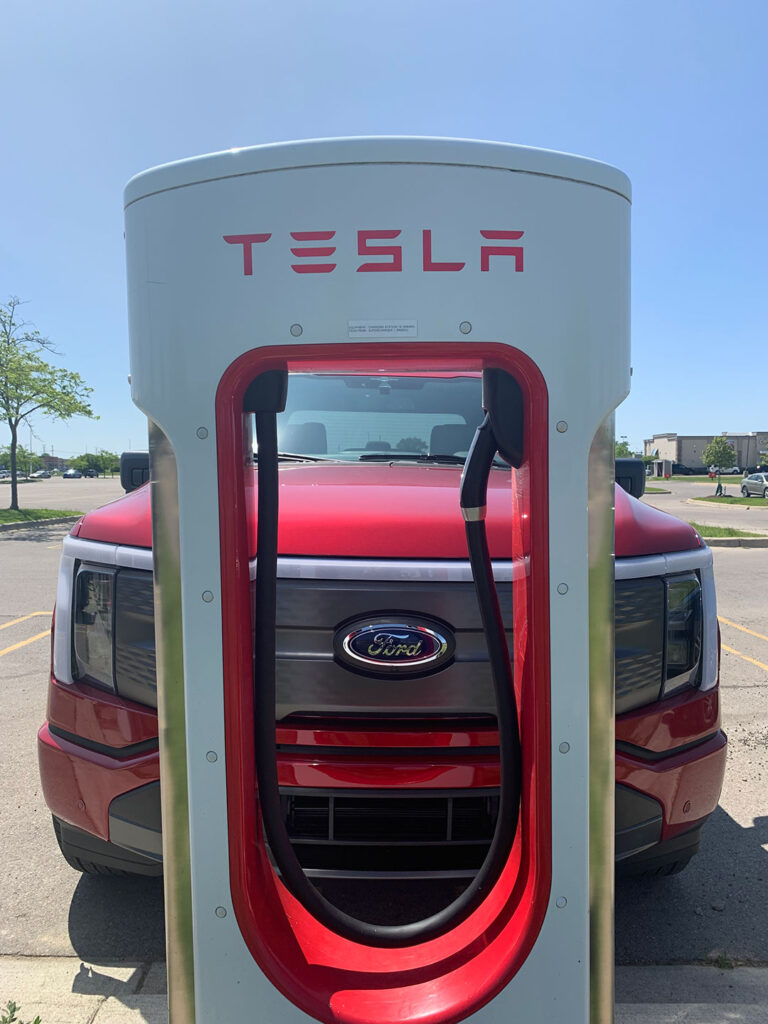
Additionally, allowing Tesla to use Ford's Supercharger locations in North America will provide some respite for EV owners. Part of the deal includes Ford building EVs with Tesla's port design to harmonize charging standards on the continent.
Get regular Tesla updates. follow me:
Google News | Flipboard | RSS (Feedly).
