

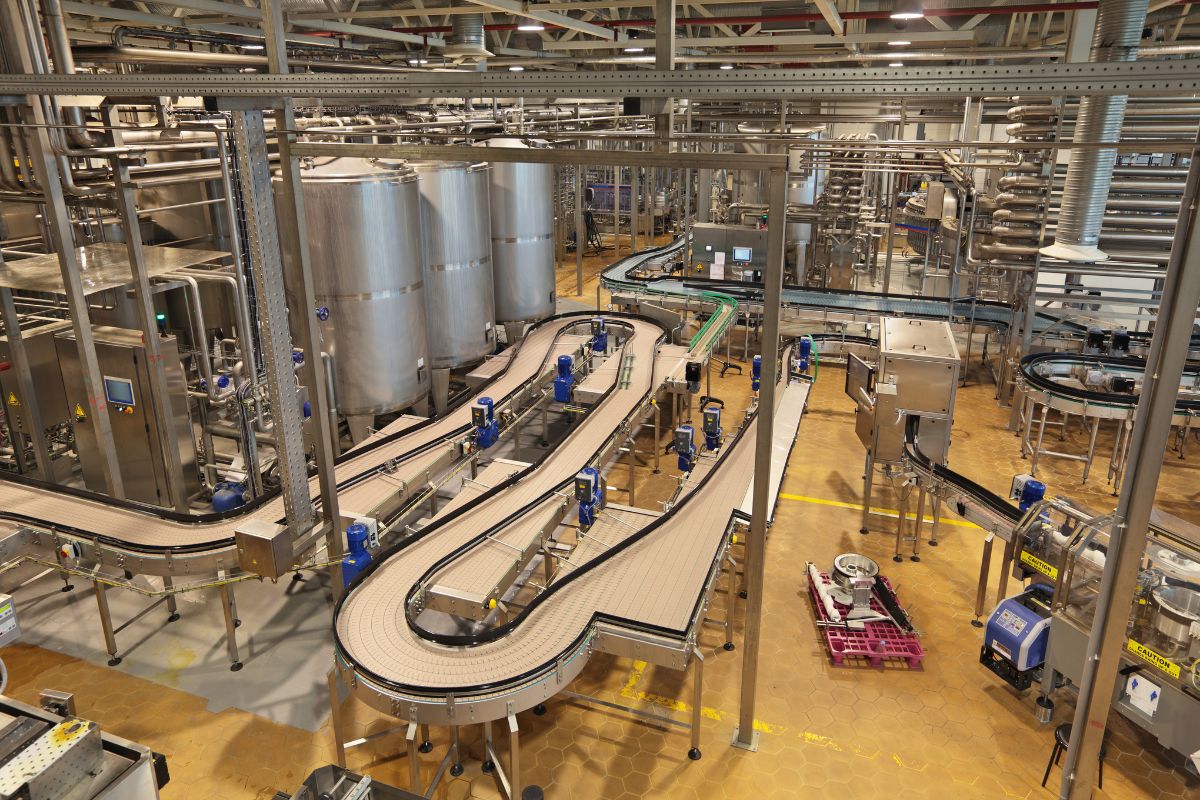
Manufacturing is an important industry that revitalizes the global economy. Unfortunately, this industry is also resource-intensive, accounting for about a quarter of the world's greenhouse gas emissions. As the sustainability movement accelerates, it is becoming increasingly important for manufacturers to adopt methods that are less damaging to the environment.
Sustainability is critical to improving the quality of life for people and the planet while driving long-term business success. In this blog post, we discuss his five practical ways to make manufacturing more sustainable.
embrace renewable energy
Energy consumption is one of the main sources of greenhouse gas emissions in manufacturing. The most practical solution is to harness renewable energy sources such as solar, wind, and geothermal energy.
Large manufacturers can invest in on-site renewable energy generation, and small businesses can switch to renewable energy providers. Renewable energy helps manufacturers reduce their carbon footprint and reduce energy costs in the long run.
Implementing a closed-loop supply chain
Implementing a closed-loop supply chain is another practical way to make manufacturing more sustainable. This process allows manufacturers to reuse and recycle products at the end of their lifecycle. Circular supply chains reduce waste and save resources. By reusing and recycling materials and products, manufacturers can reduce the need for virgin materials and reduce the environmental impact of their operations.
Promote corporate social responsibility
Expectations for manufacturing companies to adhere to high ethical and social standards and take responsibility for their impact on society and the planet are steadily increasing.
As part of your corporate social responsibility (CSR), you can take steps such as designing sustainable products, conducting environmental impact assessments, participating in philanthropy, and creating green jobs. Manufacturers can improve their brand reputation and attract customers who value sustainability by investing in their CSR.
Utilization of advanced technology
Manufacturers can also adopt advanced technologies to improve sustainability practices. Applying renewable energy digitization and automation solutions to manufacturing processes can reduce carbon emissions and material consumption while increasing efficiency and productivity.
IoT devices, sensors, and analytics can help track resource consumption and waste generation, allowing manufacturers to identify areas for improvement. Advanced technology may require an initial investment, but it pays dividends in the long run, increasing sustainability and profitability.
Promote industry cooperation:
Manufacturers can collaborate within the industry to promote and share best practices to address sustainability challenges. Collaboration can also lead to innovations in sustainable manufacturing, including the development of new materials, products and processes that improve efficiency and reduce environmental impact.
Manufacturers can join industry associations and networks to exchange ideas and information about sustainable practices and learn from the experiences of other companies.
work together for the greater good
Manufacturing is an important sector of the global economy and has a significant impact on the environment and society. Sustainability must be a core business strategy for any manufacturer's long-term success.
Manufacturers can reduce carbon emissions, conserve resources, and improve brand reputation by adopting renewable energy, implementing closed-loop supply chains, promoting CSR, adopting advanced technologies, and fostering industry collaboration. You can.
We must work together to find ways to make manufacturing more sustainable for people, animals and the planet.

