

Nyeri County recorded a 2.2% decline in new HIV infections over the past six years.
Last year, the county had the lowest rate of new HIV infections at 3%, and the majority of people living with HIV were over 25 years old.
In a public awareness program on the triple threat epidemic of HIV infection, gender-based violence and adolescent pregnancy, County Health Services Director Nelson Muriu said that in 2018, the county's infection rate was 5.2 percent; Said to be one of the highest in the area. Then, by 2021, he dropped to 4.3%.
“In 2023, there were only 986 new infections out of a total of 19,250 people currently infected with HIV. The majority of those infected were over 25 years old,” Dr. Muriu said.
However, he noted that the country still faces a double burden with high prevalence of non-communicable diseases (NCDs), compounded by the fact that most people with HIV are battling chronic diseases. .
Addressing the issue of teen pregnancy, he noted a worrying trend in the county's efforts to address the triple threat. He pointed out that 1,563 cases of teenage pregnancy were recorded last year, indicating a gap in the fight against the triple threat.
As a result, he said, the county began implementing a community awareness campaign in collaboration with the National Syndrome Control Council (NSDCC), police and judiciary.
This effort includes educating the community about the importance of vaccinating their daughters with the HPV vaccine. Although HPV is prevalent in the region, county statistics show that cervical cancer is the second most common cancer after breast cancer in terms of cases and mortality.
“This is why the county was able to successfully vaccinate 71 percent of girls ages 14 to 18 as part of our prevention efforts,” he said.
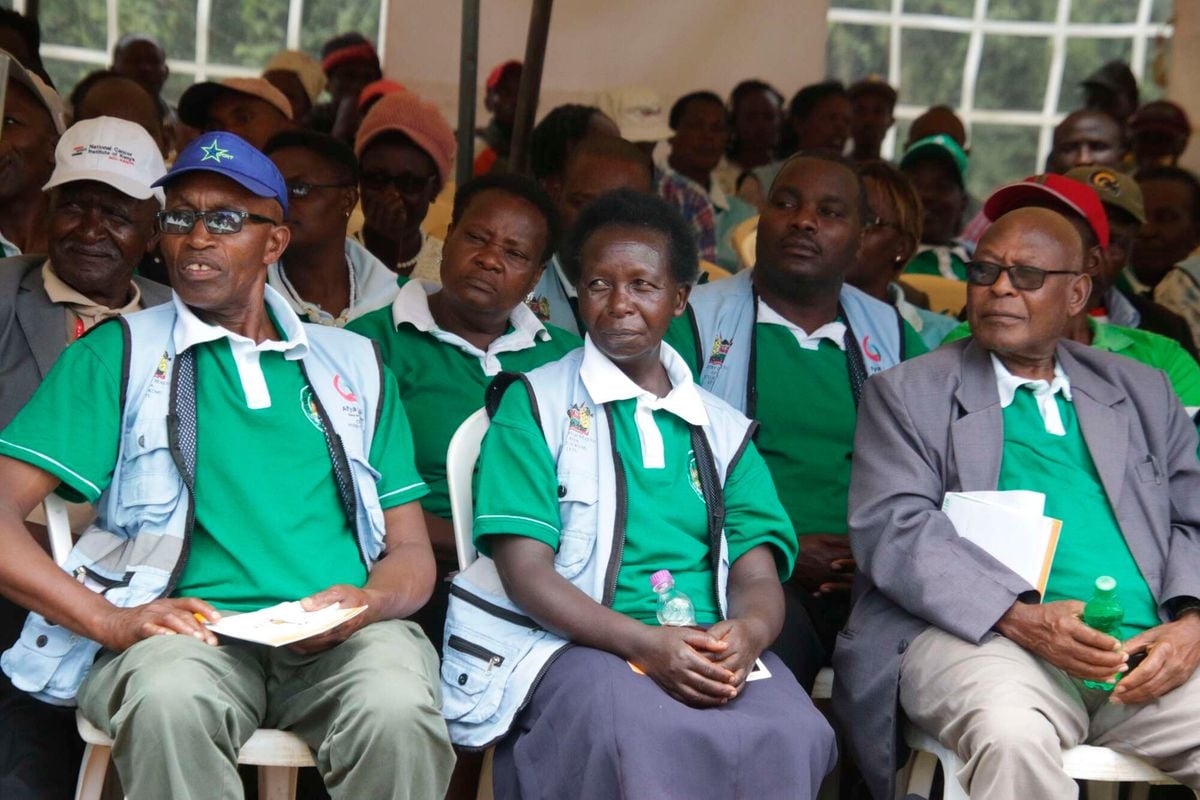
The event also saw community health advocates and community leaders take part in a public consultation on the proposed Social Health Insurance Fund (SHIF), where NSDCC Chief Executive Ruth Marcia presented the public with information on the new health fund. He urged them to take advantage of it and pointed out the importance of the National Health Insurance Fund's screening service. HPV costs are paid through the Primary Healthcare Fund.
She said the proposed fund would ensure that no one was turned away from hospital due to lack of funds.
“The insurance fund is intended to ensure equity. You are required to contribute to the insurance fund according to your financial capacity, but the minimum allowable amount is Sh300,” she said, adding that contributions are not provided. It was emphasized that this would not affect the quality of the services provided.
During the meeting, some community leaders expressed concern over the Sh300 fee to obtain a P3 form, noting that many people, especially victims of gender-based violence, cannot afford it. .
The agency has pledged to review regulations to address this concern.
